Evaluating the Nurse Icon Vector Female Person Profile for Design Projects
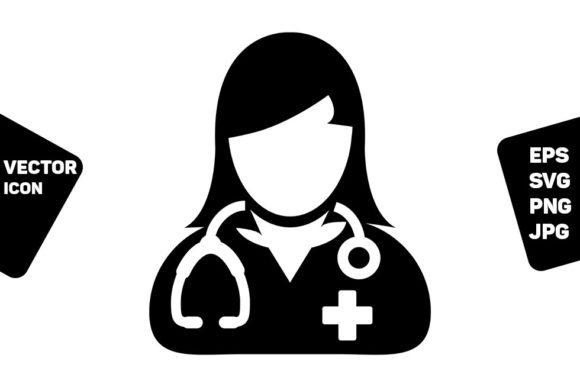
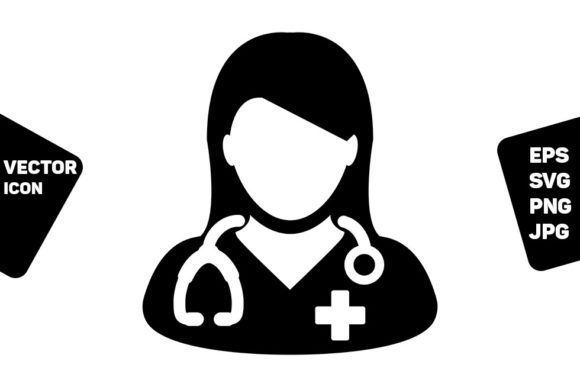
Selecting the right visual assets is a critical step in developing effective medical and healthcare communication materials. The Nurse Icon Vector Female Person Profile, specifically designed as an avatar with a stethoscope for medical consultation, represents a specialized category of digital imagery. This asset typically appears in Glyph Pictogram illustration styles and is distributed across multiple file formats including PNG, SVG, EPS, and JPG. For designers, developers, and content strategists, understanding the functional utility and technical specifications of this specific icon set is essential before integration into web interfaces, UI designs, infographics, or print projects.
Defining the Asset and Its Visual Language
The Nurse Icon Vector Female Person Profile is not merely a decorative element; it is a functional semiotic tool. In the context of user interface design and information architecture, this icon serves as a rapid visual cue. The glyph pictogram style prioritizes clarity over detail, utilizing solid shapes and negative space to convey meaning instantly. The inclusion of a stethoscope specifically codes the figure as a clinical professional rather than a generic caregiver or patient, while the female profile addresses demographic representation in healthcare visualization.
This type of vector-based avatar is engineered for scalability. Unlike raster images that rely on fixed pixel grids, the vector nature of the SVG and EPS files ensures that the nurse profile maintains crisp edges whether displayed as a 16-pixel favicon or a large-format banner in a hospital lobby. The provision of four distinct file formats acknowledges the fragmented nature of modern design workflows, where a single asset must perform across digital screens, software applications, and physical media.
Technical Considerations Across File Formats
When evaluating this asset package, one must assess the utility of each included format against specific project requirements. The availability of PNG, SVG, EPS, and JPG files offers flexibility, but each comes with distinct tradeoffs.
- SVG (Scalable Vector Graphics): This is generally the preferred format for web and UI design. SVGs are code-based, allowing for CSS manipulation of colors and dimensions without quality loss. They are ideal for responsive websites where the nurse icon must adapt to various viewport sizes. However, they require browser support and may need optimization to reduce file size if the path data is overly complex.
- EPS (Encapsulated PostScript): The industry standard for print projects and professional graphic design software like Adobe Illustrator. EPS files preserve vector data for high-resolution output on brochures, signage, and medical packaging. While excellent for print, EPS files are not natively supported by web browsers and are less suitable for direct digital implementation.
- PNG (Portable Network Graphics): A raster format that supports transparency. PNG is valuable when working in environments that do not support SVG, such as certain email clients, legacy CMS platforms, or presentation software. It provides a clean edge against varied backgrounds but lacks infinite scalability. Users must ensure the provided PNG resolution matches their intended display size to avoid pixelation.
- JPG (Joint Photographic Experts Group): Typically the least versatile format for iconography due to lack of transparency support and compression artifacts. However, it remains useful for quick mockups, internal documentation, or platforms that strictly prohibit other file types. For a glyph pictogram, JPG should be considered a fallback rather than a primary production asset.
Situational Fit: When This Icon Succeeds
The Nurse Icon Vector Female Person Profile is particularly effective in scenarios requiring immediate recognition and standardized communication. In telemedicine applications, this icon can serve as a consistent identifier for nursing staff during video consultations or chat interactions, reducing cognitive load for patients navigating complex health portals. The glyph style aligns well with Material Design and flat design principles, making it a strong fit for modern mobile health apps where screen real estate is limited.
For infographic design, this asset excels at representing statistical data regarding nursing demographics, workforce distribution, or patient care ratios. The simplified aesthetic prevents visual clutter when multiple icons are arranged in grids or flowcharts. In print contexts, such as educational pamphlets or wayfinding signage within clinics, the high-contrast nature of the glyph pictogram ensures legibility from a distance and accessibility for users with visual impairments, provided color contrast standards are met.
Evaluating Alternatives and Limitations
While this specific asset has clear utility, it is not universally appropriate. Decision-makers should consider alternatives when the project demands emotional resonance or photorealism. A glyph pictogram is inherently abstract; it conveys function but rarely empathy. For campaigns focused on patient stories, mental health awareness, or personalized care narratives, a photographic image or a detailed illustrative portrait may establish a stronger human connection than a stylized vector avatar.
Representation is another critical evaluation metric. This specific asset depicts a female nurse. While this reflects historical and current workforce demographics in many regions, organizations striving for gender-neutral or inclusive visual language may need to supplement this asset with male or non-binary nurse profiles. Relying solely on a female-coded icon can inadvertently reinforce gender stereotypes in healthcare. Furthermore, the presence of a stethoscope implies a specific scope of practice. If the content relates to nursing roles that do not typically utilize stethoscopes, or if the distinction between nurses and physicians must be visually explicit, this icon may introduce ambiguity.
Technical compatibility also warrants scrutiny. While SVG is widely supported, older versions of Internet Explorer or niche embedded systems may fail to render it correctly. In such cases, teams must implement fallback strategies using the PNG version. Additionally, vector files sometimes contain unnecessary metadata or hidden layers that inflate file size. Before deployment, the SVG and EPS files should be audited and optimized to ensure they do not negatively impact page load speeds or application performance.
Practical Decision-Making Framework
To determine if the Nurse Icon Vector Female Person Profile aligns with organizational goals, stakeholders should apply a practical evaluation framework. First, verify the licensing terms. Assets available in multiple formats often come with varying usage rights; ensure the license covers commercial web use, print reproduction, and modification if rebranding is anticipated. Second, test the asset in context. Place the SVG in the actual development environment and the EPS in the print layout to verify rendering accuracy. Color consistency between digital and print versions can vary significantly due to RGB versus CMYK color spaces, and the glyph style may require manual color adjustment to maintain brand alignment.
Third, assess accessibility compliance. Icons used in interactive elements must have appropriate alternative text. If this nurse icon functions as a button linking to a consultation page, the alt text should describe the action (e.g., "Schedule Nurse Consultation") rather than the visual appearance. If the icon is purely decorative, it should be hidden from screen readers to prevent auditory clutter. The simplicity of the glyph aids in creating concise, meaningful alt text, but this requires intentional implementation by the development team.
Finally, consider long-term asset management. Adopting this icon establishes a visual precedent. If future content requires additional medical personas (doctors, pharmacists, technicians), they must match the stroke weight, corner radius, and stylistic conventions of this nurse profile to maintain system coherence. Evaluating this asset is not just about its individual merit but about its capacity to anchor a broader, consistent visual system. By weighing technical specifications against communicative intent and inclusivity requirements, teams can make informed decisions that enhance both usability and user trust in healthcare environments.