Presentation Template - Cookery: Elevating Culinary and Business Visuals
When you are preparing to showcase a culinary concept, pitch a food startup, or present a creative agency portfolio, the visual vehicle you choose matters as much as the content itself. The Presentation Template - Cookery is designed specifically to bridge the gap between aesthetic appeal and functional communication. While its name suggests a niche focus on food and gastronomy, this template serves a much broader purpose. It is a versatile asset for photographers, corporate profiles, educators, and entrepreneurs who need a polished, professional look without spending dozens of hours on graphic design. However, acquiring the template is only the first step; using it effectively requires understanding its structure and avoiding common pitfalls that can turn a premium asset into a generic slideshow.
Understanding the Scope Beyond Food
A frequent misunderstanding occurs when users limit the Presentation Template - Cookery strictly to restaurant menus or recipe books. While it excels in these areas, limiting your perspective reduces the return on investment. The template’s clean lines, organic color palettes, and structured layouts make it equally effective for wellness brands, sustainable product pitches, lifestyle photography portfolios, and even corporate social responsibility reports. The "Cookery" designation refers more to the warmth and texture of the design language than to a restriction on subject matter.
If you are a freelancer or small business owner, evaluate the slide masters based on layout utility rather than just the demo images. A slide featuring a plated dish in the preview might actually be the perfect before-and-after comparison layout for a marketing case study. By viewing the template through a functional lens rather than a literal one, you unlock significantly more value from the 36 included slides.
The Master Slide Mistake
One of the most significant errors beginners and intermediate users make is editing individual slides instead of utilizing the Master Slides. This template is handcrafted with a robust master slide system, yet many users bypass this feature entirely. When you manually format text boxes, adjust image placeholders, or move infographics on a single slide, you break the global consistency of the deck. This leads to misaligned elements, inconsistent typography, and a disjointed viewing experience that undermines professional credibility.
To avoid this, always open the Slide Master view first. If you need to change the logo placement, update the font hierarchy, or adjust the accent colors across the entire presentation, do it at the master level. This ensures that every new slide you add inherits these changes automatically. Not only does this save hours of tedious formatting work, but it also guarantees pixel-perfect alignment throughout your final output. Treat the master slides as the foundation of your project, not an optional advanced feature.
Misjudging Graphic Customization and Resizing
The Presentation Template - Cookery includes handcrafted infographics and vector icons that are fully editable. A common oversight is treating these graphics as static images. Users often crop or stretch these elements to fit their content, resulting in distortion or loss of quality. Because these assets are vector-based within PowerPoint, they should be resized by dragging corners while holding the shift key to maintain proportions, or better yet, edited directly to match your data.
Furthermore, do not settle for the default color schemes of the infographics simply because changing them feels technical. These graphics are designed to be customized to your brand identity. Leaving them in the template’s original palette when your company uses distinct branding creates a visual disconnect. Take the time to ungroup the vector elements if necessary to recolor specific components. This level of customization signals to your audience that the presentation was built for them, not downloaded from a library five minutes before the meeting.
Navigating Image Placeholders Correctly
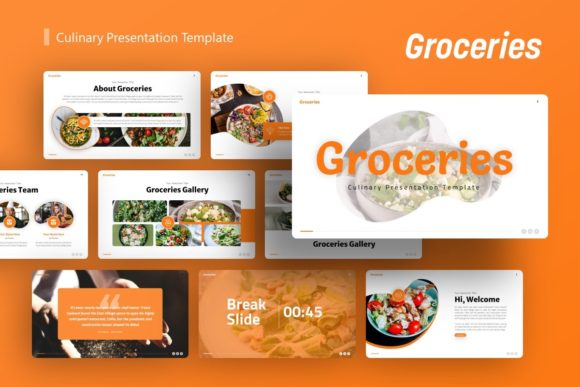
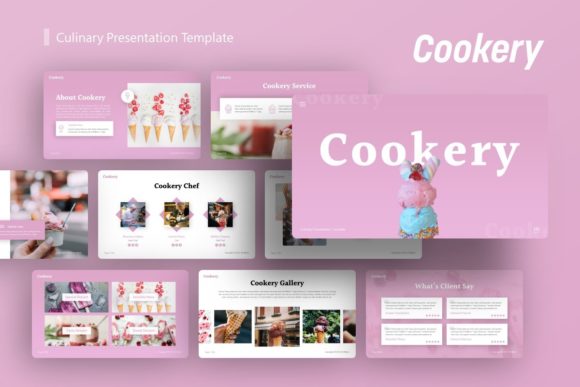
Visual storytelling is central to this template, but users frequently struggle with the picture placeholders. A recurring issue is forcing high-resolution photos into placeholders without checking the aspect ratio or resolution requirements. This results in pixelated backgrounds or awkward cropping that cuts off essential parts of an image. The demo files use high-quality stock photography for preview purposes only, and these are not included in the download. New users sometimes panic when they open the file and see generic placeholders instead of the beautiful food photography shown in the marketing materials.
To prevent disappointment and technical issues, prepare your image assets before opening the template. Ensure your photos meet the recommended resolution and have a similar aspect ratio to the placeholder shape. Use the "Change Picture" function rather than deleting the placeholder and inserting a new image manually. Deleting the placeholder removes the pre-set masking and positioning logic, making it difficult to replicate the clean look of the original design. Respecting the placeholder architecture is key to maintaining the template's polished aesthetic.
Overlooking Documentation and File Management
Eagerness to start designing often leads users to skip the documentation file included with the Presentation Template - Cookery. This is a critical error, especially for those less familiar with advanced PowerPoint features. The documentation contains specific instructions on how to manipulate the unique infographic elements, where to find free resources linked in the template, and troubleshooting tips for compatibility issues across different versions of Office.
Additionally, file management is often neglected. Always create a working copy of the original .PPTX file before making any edits. Keep the pristine original as a backup reference. If you corrupt a master slide or accidentally delete a complex animated element, having the source file allows you to copy-paste the correct version back into your working deck without re-downloading and starting over. This simple habit prevents frustration and protects your workflow efficiency.
Evaluating Content Density and Slide Selection
With 36 slides available, there is a temptation to use as many as possible to appear thorough. However, presentation fatigue is real, and using every slide type simply because they are included dilutes your message. Not every infographic or layout will serve your specific narrative. Before selecting slides, outline your core message and choose only the layouts that support that story.
For example, if you are pitching a startup, you may not need the detailed recipe card layouts, but you will certainly benefit from the team profile and financial chart slides. Conversely, a personal portfolio might utilize the large-image layouts while ignoring the dense data tables. Be ruthless in your selection. A concise, impactful 15-slide deck using this template is infinitely superior to a bloated 36-slide marathon that loses the audience's attention. Quality of communication always trumps quantity of slides.
Ensuring Compatibility and Font Integrity
Finally, never assume that the template will render identically on every computer. While the Presentation Template - Cookery is built on standard PowerPoint architecture, custom fonts or embedded vectors can sometimes behave unexpectedly when moved between Mac and PC environments or opened in older software versions. Always test your presentation on the actual device you will be using to present.
If you are sending the file to a client or colleague, consider embedding fonts or saving a PDF backup. The template relies on specific typographic choices to maintain its modern, clean look. If the receiving device substitutes these fonts with system defaults, the spacing and hierarchy can collapse. Checking compatibility is not a sign of distrust in the template; it is a mark of professional diligence. By verifying that your visuals translate correctly across platforms, you ensure that the effort you put into customization translates into a flawless delivery.