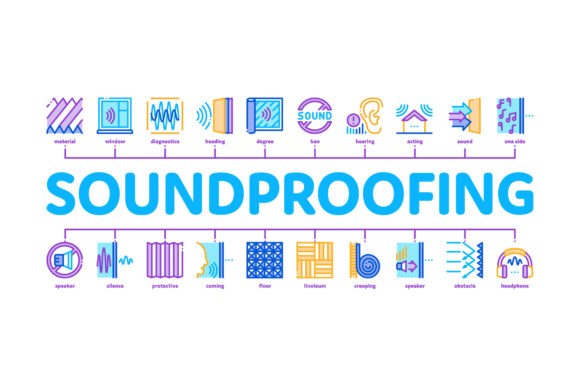
Soundproofing Building Material Minimal: Visualizing Acoustic Solutions for Modern Design
When architects, interior designers, and contractors plan a space where silence is as important as structure, they often face a communication gap. Explaining acoustic treatment to clients or stakeholders can be technical and abstract until it is visualized. This is where the concept of Soundproofing Building Material Minimal becomes an essential asset. Rather than focusing solely on decibel ratings or density coefficients, this approach prioritizes clean, uncluttered visual representations of acoustic solutions. It bridges the divide between engineering performance and aesthetic clarity, allowing professionals to present soundproofing not as an afterthought, but as an integral, sleek component of modern architecture.
The "minimal" aspect refers to both the design style of the illustrative assets and the physical profile of the materials themselves. In an era where open-plan living and multi-use commercial spaces dominate, bulky foam panels and industrial barriers are often rejected by clients who value visual flow. Minimalist soundproofing vectors and illustrations help demonstrate how high-performance insulation, specialized windows, and floor coverings can exist without compromising the visual integrity of a room. These resources serve as a universal language for discussing noise control in residential renovations, recording studios, corporate offices, and hospitality environments.
Real-World Applications for Residential Renovations
Homeowners aged 30 to 50 are frequently navigating the challenges of retrofitting older properties or customizing new builds for remote work and family life. The primary friction point in these projects is usually the fear that soundproofing will make a home look like a bunker. Using minimalist infographics and vector illustrations helps alleviate this anxiety during the consultation phase.
Consider a scenario involving a townhouse with shared party walls. A homeowner wants to reduce neighbor noise but refuses to lose square footage to thick framing. By utilizing Soundproofing Building Material Minimal visuals, a contractor can illustrate slim-profile solutions like mass-loaded vinyl (MLV) or high-density acoustic drywall. These illustrations show cross-sections of walls where the soundproofing layer is virtually invisible once painted. The visual simplicity allows the client to focus on the finish—the paint color, the trim, the furniture placement—rather than worrying about the mechanics hidden beneath. This visualization technique transforms a technical upsell into a desirable lifestyle upgrade, proving that peace and quiet do not require sacrificing interior design standards.
Commercial and Corporate Space Planning
In the corporate sector, particularly within tech and creative industries, the demand for acoustic privacy has skyrocketed alongside the trend of glass-walled meeting rooms and open collaborative zones. Facility managers and office designers rely heavily on web banners and vector collections to populate proposals and internal presentations. The aesthetic of these businesses is typically streamlined and futuristic; traditional, gritty construction photos simply do not align with their brand identity.
Minimalist illustrations of soundproofing windows and roof insulation allow designers to overlay acoustic strategies onto floor plans without creating visual clutter. For example, when proposing a retrofit for a noisy call center, a designer might use clean, flat-style vectors to indicate where acoustic baffles or window inserts will be placed. Because the graphics are minimal, they integrate seamlessly into pitch decks and mood boards. This is crucial for securing buy-in from C-suite executives who need to understand the ROI of acoustic comfort without getting bogged down in construction details. The ability to download these assets in EPS format ensures they remain crisp and professional whether printed on a large-scale site hoarding or displayed on a 4K monitor during a Zoom presentation.
Hospitality and Multi-Family Development
For developers and architects working on hotels, apartment complexes, or co-living spaces, acoustic performance is a direct correlate to guest satisfaction and tenant retention. However, marketing these units before construction is complete requires compelling visuals that promise tranquility. Soundproofing Building Material Minimal assets play a pivotal role in pre-leasing and investor relations.
Web banners featuring stylized illustrations of floor covering systems and wall insulation can be used on landing pages to highlight "quiet living" as a premium amenity. Unlike photorealistic renders which can sometimes look sterile or fake, vector art conveys a sense of technical precision and intentionality. It suggests that the building was engineered for silence from the ground up. For property managers dealing with noise complaints in existing buildings, these same minimal graphics can be used in tenant newsletters or renovation notices to explain upcoming improvements clearly and non-intrusively. The neutral, clean aesthetic avoids alarming residents, framing the work as a standard enhancement rather than a major disruption.
Navigating Formats and Technical Versatility
The practical utility of these illustration collections lies in their file formats. Having access to both JPG and EPS versions addresses the diverse workflow needs of modern professionals. JPG files are immediately useful for quick references, email updates, social media content, or low-fidelity wireframing. They are lightweight and universally compatible, making them ideal for rapid communication with clients who just need a quick visual confirmation of a concept.
Conversely, the EPS (Encapsulated PostScript) format is indispensable for production-grade work. As a vector-based format, EPS files allow designers to scale illustrations infinitely without pixelation. This is vital when creating large-format signage for construction sites or detailed architectural diagrams for permit applications. Furthermore, vectors are editable. A designer can change the color palette of a soundproofing window illustration to match a client’s specific branding guidelines or adjust line weights to suit different print media. This flexibility turns a generic stock asset into a bespoke project element, saving hours of custom drafting time while maintaining a consistent visual standard across all project documentation.
Strategic Considerations Before Implementation
While minimalist visuals are powerful communication tools, they must be used with an understanding of their limitations. The most critical consideration is ensuring that the simplified representation does not mislead the client regarding performance. A clean vector drawing of a wall assembly looks effortless, but real-world installation involves sealing gaps, managing electrical outlets, and addressing flanking paths. Professionals must pair these minimal aesthetics with detailed specifications and honest conversations about labor and material costs.
Additionally, users should verify that the illustrations accurately reflect current building codes and available products. The acoustic industry evolves rapidly, and using outdated diagrams of obsolete materials can undermine credibility. When selecting a collection of Soundproofing Building Material Minimal assets, prioritize those that depict recognizable, code-compliant assemblies such as resilient channels, green glue, or laminated glass. The goal is to simplify the explanation, not the engineering. The visual minimalism should serve as a gateway to deeper technical discussions, providing a comfortable entry point for clients who are intimidated by acoustics, while giving professionals a polished toolkit to guide those conversations toward successful, quiet outcomes.
Ultimately, these resources are about translation. They translate the physics of sound waves into the language of design and lifestyle. Whether you are a solo renovator trying to visualize a home studio, or a firm pitching a luxury condo development, the ability to present soundproofing as a clean, minimal, and integrated element is a significant competitive advantage. It shifts the narrative from "blocking noise" to "curating environment," which is exactly what today’s discerning clients are looking to buy.