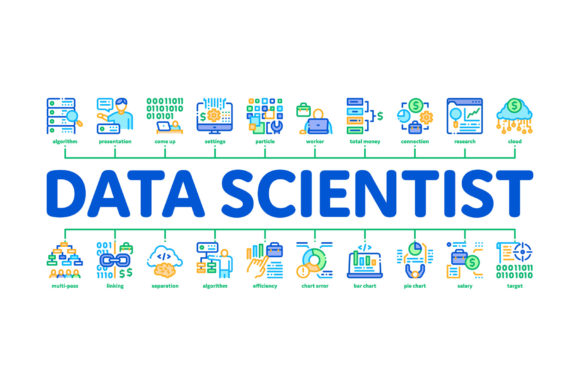
Evaluating Data Scientist Worker Minimal Assets for Technical Projects
In the evolving landscape of digital design and technical communication, visual assets play a critical role in how complex concepts are perceived. The Data Scientist Worker Minimal aesthetic has emerged as a specific design category tailored for professionals in server research, web development, and data analytics. This style prioritizes clarity, geometric precision, and functional representation over decorative excess. For designers, marketers, and technical leads evaluating visual resources, understanding the utility and limitations of this minimalist approach is essential for making informed procurement and implementation decisions.
Defining the Minimalist Data Science Aesthetic
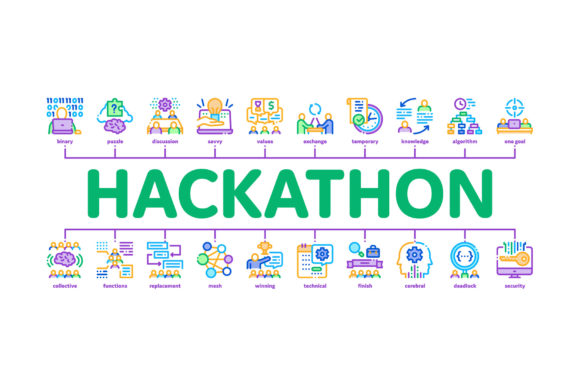
The term Data Scientist Worker Minimal refers to a vector-based illustration style that depicts technical professionals and infrastructure using simplified forms. Unlike photorealistic stock imagery or highly detailed 3D renders, these assets utilize flat colors, clean lines, and negative space to convey meaning. The visual vocabulary typically includes stylized representations of programmers, binary code streams, server racks, and infographic elements. The primary objective is to communicate technical competence and analytical rigor without introducing visual noise that distracts from the accompanying content.
This aesthetic is rooted in the principles of modern user interface design, where cognitive load must be minimized. When evaluating these assets, it is important to recognize that they are not merely artistic choices but functional communication tools. They serve as visual anchors in white papers, landing pages, and dashboard interfaces, bridging the gap between abstract backend processes and frontend user understanding.
Strategic Reasons for Adoption
Organizations and individuals select Data Scientist Worker Minimal assets for several strategic reasons that extend beyond simple preference. Understanding these drivers helps stakeholders determine if this style aligns with their current project goals.
- Cognitive Efficiency: In technical documentation or SaaS marketing, users often scan content rapidly. Minimalist illustrations allow for instant recognition of concepts like "server maintenance" or "data processing" without requiring the viewer to decode complex imagery.
- Brand Consistency: Vector formats allow for seamless color matching. Teams can adjust the palette of a Data Scientist Worker Minimal Infographic Web Banner Vector to match corporate identity guidelines precisely, ensuring cohesion across disparate touchpoints.
- Scalability Across Devices: As responsive design remains a standard requirement, vector assets ensure that illustrations remain crisp on high-DPI mobile screens and large desktop monitors alike, avoiding the pixelation associated with raster-only alternatives.
- Future-Proofing Content: Technology trends change quickly. Photorealistic images of specific hardware or fashion can date a website within months. Abstract, minimalist depictions of programmers and binary code tend to have a longer shelf life, reducing the frequency of asset refresh cycles.
Benefits and Tradeoffs in Implementation
While the benefits of minimalism are significant, a balanced evaluation requires acknowledging potential tradeoffs. Decision-makers must weigh these factors against their specific audience expectations.
Key Benefits
The primary advantage lies in versatility. A well-crafted Data Scientist Worker Minimal package often includes modular elements. A designer might use a standalone server icon in a navigation menu, combine multiple elements for a hero banner, or integrate binary code patterns as a subtle background texture. This modularity maximizes the return on investment for the asset license. Additionally, file sizes for optimized vectors are typically smaller than high-resolution photographs, contributing to faster page load times and improved Core Web Vitals scores.
Potential Tradeoffs
Minimalism inherently sacrifices specificity. If a project requires showcasing proprietary hardware, specific software interfaces, or diverse human representation with realistic features, this style may fall short. The abstraction that makes these assets versatile can also make them feel generic if not customized. Furthermore, while EPS files offer editability, they require vector editing software and proficiency. Teams lacking access to tools like Adobe Illustrator or Affinity Designer may find themselves limited to the pre-rendered JPG versions, negating some of the customization benefits.
Situational Fit: When to Choose Minimalist Vectors
Determining whether Data Scientist Worker Minimal assets are the right fit depends heavily on the context of use. This style excels in environments where information architecture takes precedence over emotional storytelling.
Ideal Scenarios Include:
- B2B SaaS Landing Pages: Where explaining abstract cloud computing or algorithmic services requires clear, non-threatening visuals.
- Technical Documentation and Wikis: Internal knowledge bases benefit from consistent iconography that helps engineers navigate complex system architectures.
- Investor Pitch Decks: Clean aesthetics signal professionalism and focus, allowing data points to stand out rather than competing with busy imagery.
- Educational Courseware: E-learning platforms teaching programming or data science concepts use these illustrations to maintain student focus on the curriculum.
When Alternatives Are Worth Considering
Despite its utility, the minimalist approach is not a universal solution. Evaluators should consider alternative visual strategies in the following situations:
- Consumer-Facing Lifestyle Brands: If the goal is to build an emotional connection or showcase human diversity in a relatable way, photography or richly textured 3D illustration may be more effective.
- Hardware-Specific Marketing: Selling physical servers or networking gear often requires photorealism to demonstrate build quality and tangible features.
- Narrative-Driven Campaigns: Storytelling that relies on character expression, environmental detail, or atmospheric mood is difficult to achieve within strict minimalist constraints.
- Luxury or High-Touch Services: Some premium markets associate minimalism with budget or startup aesthetics. In these cases, bespoke illustration or high-end photography may better convey value.
Practical Decision-Making Insights
For those currently researching or comparing Data Scientist Worker Minimal assets, several practical considerations should guide the final selection. First, verify the technical specifications of the deliverables. Ensure the EPS files are properly layered and grouped; poorly organized vectors can take hours to untangle. Check whether the JPG exports are provided in multiple resolutions and transparent PNG variants, as this significantly impacts workflow efficiency.
Second, assess the licensing terms relative to the intended use case. Some licenses restrict usage in templates for resale or limit the number of impressions for web banners. Clarifying these boundaries upfront prevents compliance issues later. Third, evaluate the conceptual breadth of the collection. A pack containing only generic "person at computer" icons offers less long-term value than one that includes specific metaphors for machine learning, database management, cybersecurity, and API integration.
Finally, consider the integration effort. Test a sample asset within the actual production environment before committing. Verify that the stroke weights remain visible at small sizes and that the color palette harmonizes with existing UI components. By approaching the selection process with these technical and strategic criteria in mind, teams can ensure that their investment in Data Scientist Worker Minimal assets yields measurable improvements in communication clarity and design consistency.