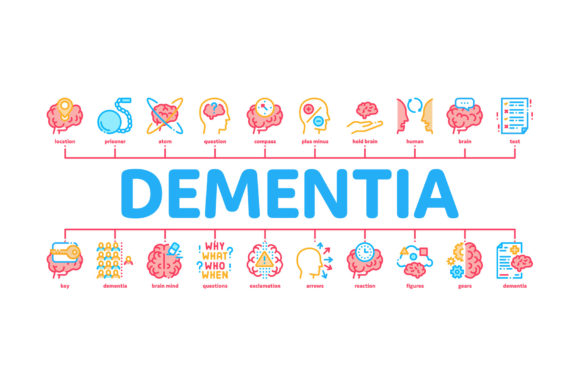
Dementia Brain Disease Minimal Design Assets
Communicating complex neurological conditions requires a delicate balance of scientific accuracy and empathetic visual storytelling, which is exactly where a Dementia Brain Disease Minimal vector asset proves invaluable for modern designers. When addressing sensitive topics like memory loss or degenerative illness, cluttered visuals can overwhelm the audience and obscure the message. Instead, clean lines and simplified forms allow healthcare providers, educators, and marketers to convey critical information with clarity and dignity. These specialized graphic design resources serve as essential tools for creating professional presentations, educational brochures, and digital campaigns that respect the subject matter while maintaining high aesthetic standards.
The Role of Minimalism in Medical Visual Communication
In the realm of health-related branding and editorial design, minimalism is not merely an aesthetic choice but a functional necessity. A Dementia Brain Disease Minimal Infographic Web Banner Vector strips away non-essential details to focus entirely on the core concept, whether that represents cognitive decline, neural pathways, or care support. This approach aligns with current UX design principles where cognitive load must be minimized, especially when the target audience includes caregivers or individuals experiencing early-stage symptoms. By utilizing negative space and streamlined iconography, designers can create visual hierarchies that guide the viewer’s eye naturally through the content without causing confusion or distress.
Furthermore, these assets bridge the gap between clinical data and human emotion. Abstract representations of the brain or speech difficulties often resonate more deeply than photorealistic imagery, which can sometimes feel invasive or overly stark. For creative projects involving mental health awareness, this stylistic restraint signals professionalism and compassion, strengthening brand identity for clinics, non-profits, and wellness platforms.
Practical Applications Across Design Mediums
Versatility is a key factor when selecting creative assets for multi-channel campaigns. High-quality vectors depicting dementia mind degenerative illness, memory loss, and poor speech pronunciation illustrations are adaptable across numerous formats. Because they are typically available in both EPS and JPG formats, they offer scalability for large-format print design and optimization for responsive web design.
- Social Media Graphics: Simplified icons perform exceptionally well on small screens, ensuring readability in Instagram carousels or LinkedIn posts dedicated to Alzheimer’s awareness.
- Editorial Layouts: Clean illustrations complement typography in medical journals or blog articles without competing with dense text blocks.
- Packaging Design: For supplements or assistive devices, minimal graphics communicate safety and clinical efficacy at a glance.
- UI/UX Elements: Vector-based icons integrate seamlessly into app interfaces for cognitive therapy or caregiver scheduling tools.
- Presentations: Professional decks benefit from consistent visual metaphors that explain complex neurological processes to stakeholders or families.
Selecting and Implementing Sensitive Design Assets
Choosing the right Dementia Brain Disease Minimal resource involves more than just finding an attractive image; it requires evaluating how the asset fits within your existing design workflow and brand system. Consistency is paramount. Ensure the line weight, corner radius, and level of abstraction match your other iconography and logo design elements. Mixing disparate styles can undermine the professional presentation and create visual noise that detracts from the user experience.
Color palette selection also plays a significant role in how these illustrations are perceived. While the vector itself may be monochromatic, applying soft, calming hues like sage greens, muted blues, or warm neutrals can enhance the emotional tone. Avoid harsh reds or alarming contrasts unless specifically highlighting danger zones in a medical diagram. Typography pairing should equally reflect this sensitivity; clean sans-serif typefaces with generous tracking and leading improve readability and reinforce the modern aesthetics of the minimal illustration.
Technical Considerations for Vectors
For designers working in Adobe Illustrator or similar software, EPS files provide the flexibility needed for custom modifications. You can adjust stroke widths to match your brand guidelines or recolor elements to fit specific campaign themes. JPG versions are ideal for quick mockups or web banners where file size impacts loading speed. Always verify that the depiction of symptoms like poor speech pronunciation is handled abstractly enough to avoid stigmatization while remaining recognizable to medical professionals and patients alike.
Ultimately, integrating thoughtful, high-quality creative assets into your design strategy elevates both the visual impact and the communicative power of your work. Whether you are developing a comprehensive brand identity for a neurology clinic or designing an informative social media series, prioritizing clarity and empathy ensures your message resonates effectively. Investing in premium, purpose-built vectors allows creators to navigate sensitive subjects with confidence, resulting in designs that are not only visually polished but also genuinely helpful to those seeking understanding and support.